When Berghain Was Political
Music-historian Liam Cagney reflects on what got lost among the rise and rise of Berlin's most famous nightclub.
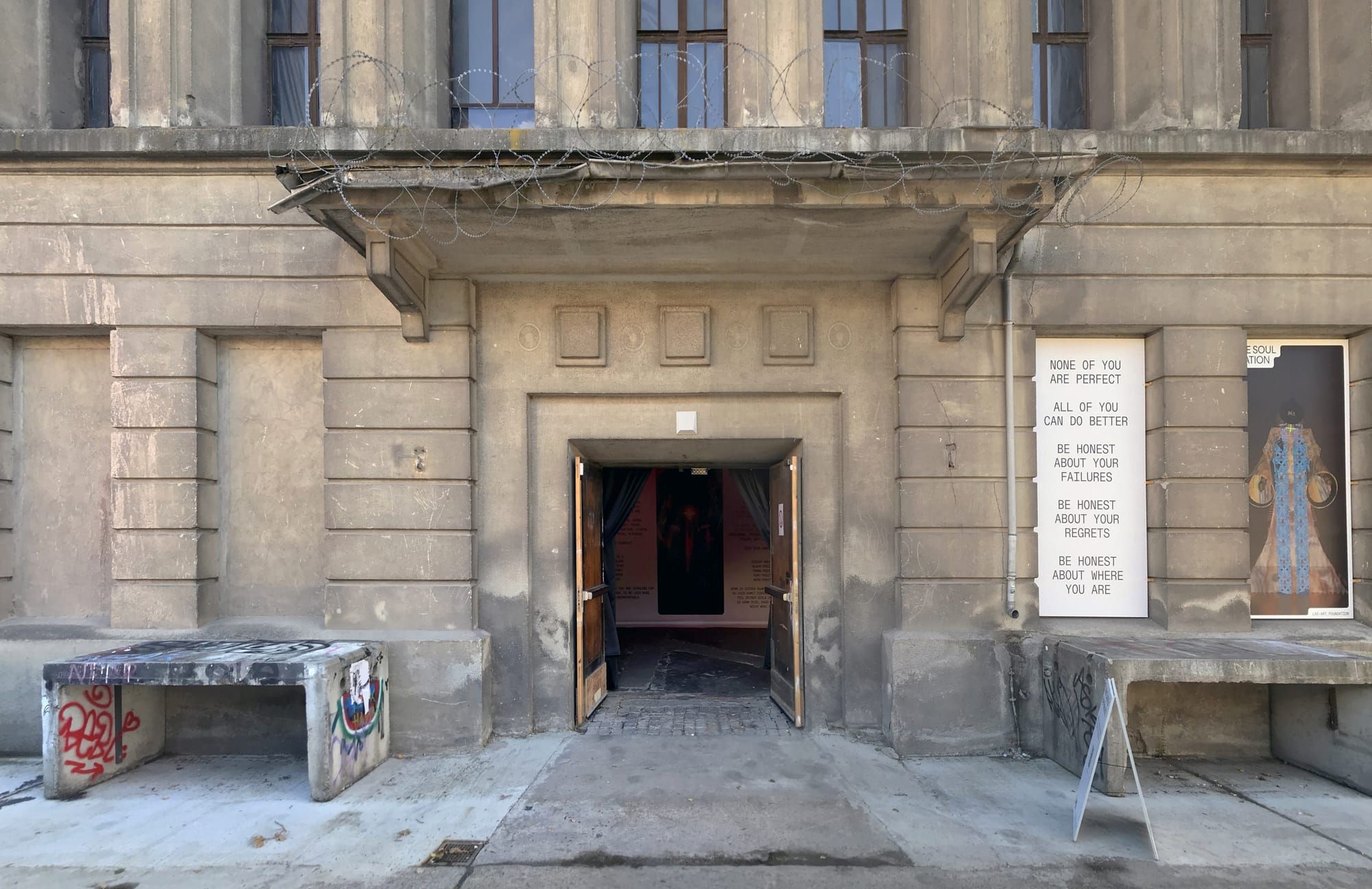
It was the best of clubs; it was the worst of clubs. The vibes were immaculate; the vibes were awful. Cuties shared chewing gum with you; techno dudes assaulted you.
I'm talking of Berghain, of course. You may have heard of it. Having opened in once-punky Friedrichshain, Berghain now sits uneasily beside the Amazon tower, the Uber Eats Arena, the East Side Mall and an edgy corporate development complex using the club to flaunt its vision. No longer unimpeachably countercultural, the club now feels more like the adult Disneyland of Berlin.
Perhaps that's fine: who doesn't occasionally enjoy riding a rollercoaster and eating candy floss? In its early days, though, when Berlin was bohemian, Berghain was a genuinely underground space, mixing intense music, gay energy and a critical attitude.
It sounds like I'm being facetious, but in truth I'm sad about it. I was someone who considered that place home. I spent years there because it meant something to me. Eventually I wrote a book, Berghain Nights, exploring techno in Berlin. Now I wonder whether the decline has been terminal.