We’ve all seen it:noodles lifted slowly from a steaming bowl, close-up shots of heaping toppings, an LED sign with a cheeky pun glowing in the background, and a caption framing the trendy Berlin ramen joint as “must visit” or “hidden gem.”
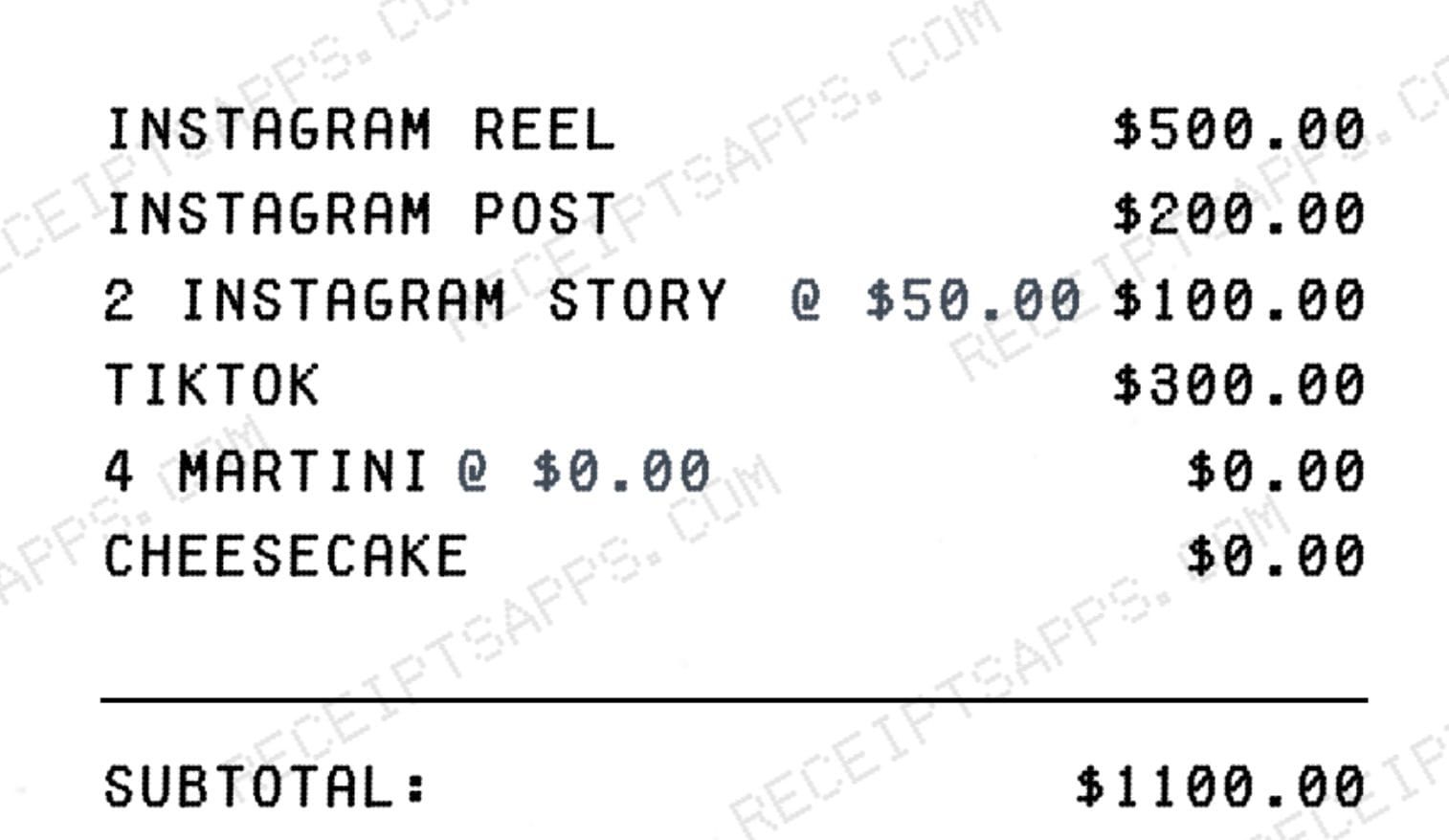
A few days later, another creator posts a video about the same place. Then another. Similar framing, similar praise, all within the same week or two. Did several food bloggers independently decide to visit and post about the same restaurant in a short time span? Perhaps the hype landed on everyone’s feeds at the same time? Or were some of these posts paid collaborations, requested by the business?
HEIST is a worker-owned online magazine, founded by writers and editors who after years working across Berlin's media landscape believed something essential was missing.
Anyone living here has felt a growing gap between the city as it actually is and the version being served up by mainstream outlets. We experienced that disconnect firsthand. We saw political censorship shape coverage decisions and felt the weight of billionaire ownership land directly on our work. It reached a point where we could either keep going along with it, or try to build something better.
That's why we created HEIST.
And look at you: scrolling, clicking, squinting at blurred text just to get a little further. If you'll go to that much effort to read HEIST, you can surely give us one email. That's the whole price, and the rest of the story is right behind it.
Real journalism costs money. We commission the hard-hitting, well-reported, long-form work everyone wants to read but nobody seems to publish anymore.
The future of this city is still in the balance. We intend to be part of that struggle. We hope that you'll join us.