The "UFO" that changed our vision of human history
A new exhibition in Berlin opens a window into humanity's distant past. Discover Göbeklitepe, the 12,000-year-old site that upends everything we thought we knew about human history.
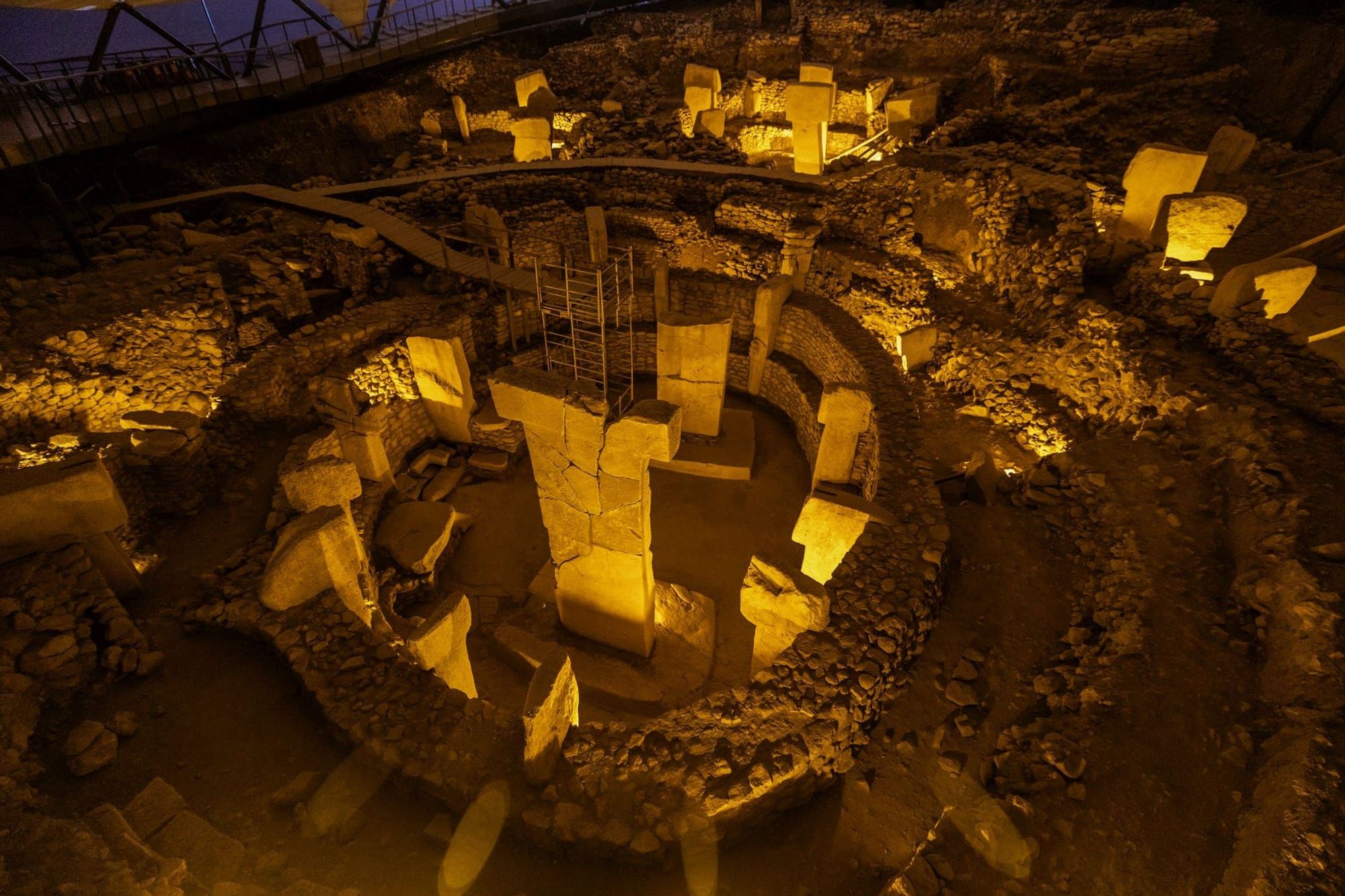
For a long time, the conventional understanding of human history went like this: first came agriculture, then settlement, then hierarchy and civilisation – and only after that did people form the kind of organised society capable of building large-scale monuments. But the site of Göbeklitepe blows that story apart.
Located in what is now southeastern Türkiye, Göbeklitepe is the most famous of a cluster of sites known collectively as the Taş Tepeler, or "stone hills", which date to around 10,000 BC. This means the site is so ancient that it actually predates the emergence of farming. But what archaeologists found there were not the simple, subsistence-level culture they had assumed: instead, they discovered underground ceremonial buildings featuring six-metre stone pillars, life-size sculptures of humans and animals, and artworks of extraordinary sophistication and power. These people, who were likely semi-nomadic hunter-gatherers, were capable of moving twenty-tonne stones and creating an underground network of monumental proportions.
A new exhibition at Berlin's Vorderasiatisches Museum — Building Community — brings this world to life. We spoke to the museum's director and lead curator, Barbara Helwing, about what these sites teach us, and why it matters.