"A Landscape of Death": Forensic Architecture on Germany's Other Genocide
We sat down with Agata Nguyen Chuong to discuss 'Fractured Lifeworlds', Forensic Architecture's Namibian genocide investigation, now at Spore Initiative.
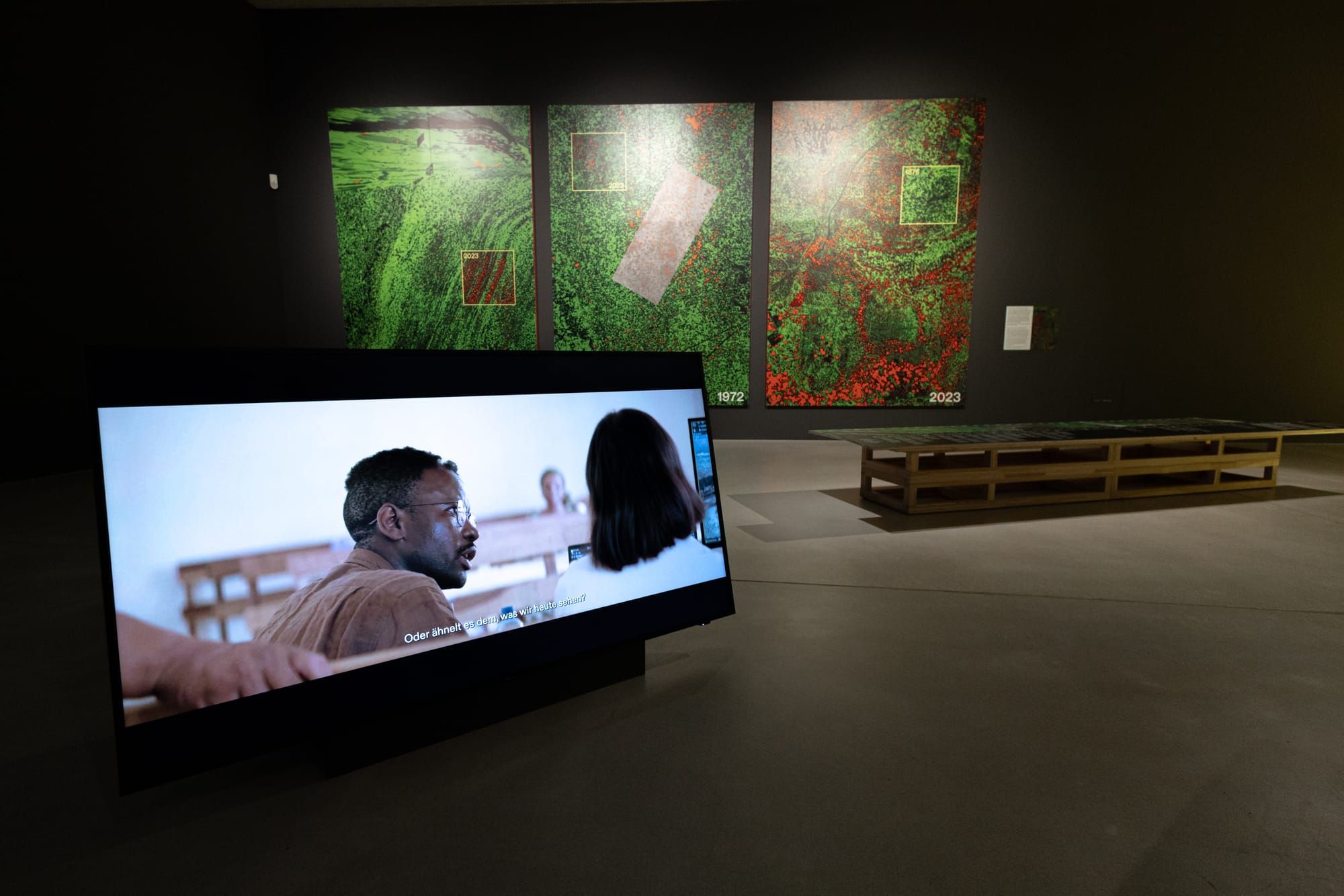
Forensic Architecture is one of the indispensable artistic organisations of our time. Founded by the British-Israeli architect Eyal Weizman in 2010, it brings journalistic methodologies together with academic analysis to create some truly compelling research projects. Its new show at Spore Initiative in Neukölln, Fractured Lifeworlds, is the result of a four-year engagement, alongside Berlin-based sister agency Forensis, with communities in Namibia – many of them descendants of the Ovaherero and Nama peoples. The Ovaherero and Nama were both victims of what has been described as the first genocide of the 20th century, perpetrated under German colonial rule.
As the show begins its 11-month run, we sat down with lead researcher Agata Nguyen Chuong to discuss what that genocide teaches us today, what a landscape can tell you that an archive cannot, and what Berliners might take from this large-scale project, which unfolds in three distinct "seasons" through April 2027.
All the human remains that are still in boxes and collections in German museums need to be sent back and buried. There's no question about it.