The Taliban Are Quietly Running the Afghan Embassy in Berlin
The Taliban appear to have taken control of the Berlin embassy without explicitly informing Germany. What does it mean for the 442,000 Afghans living in the country?
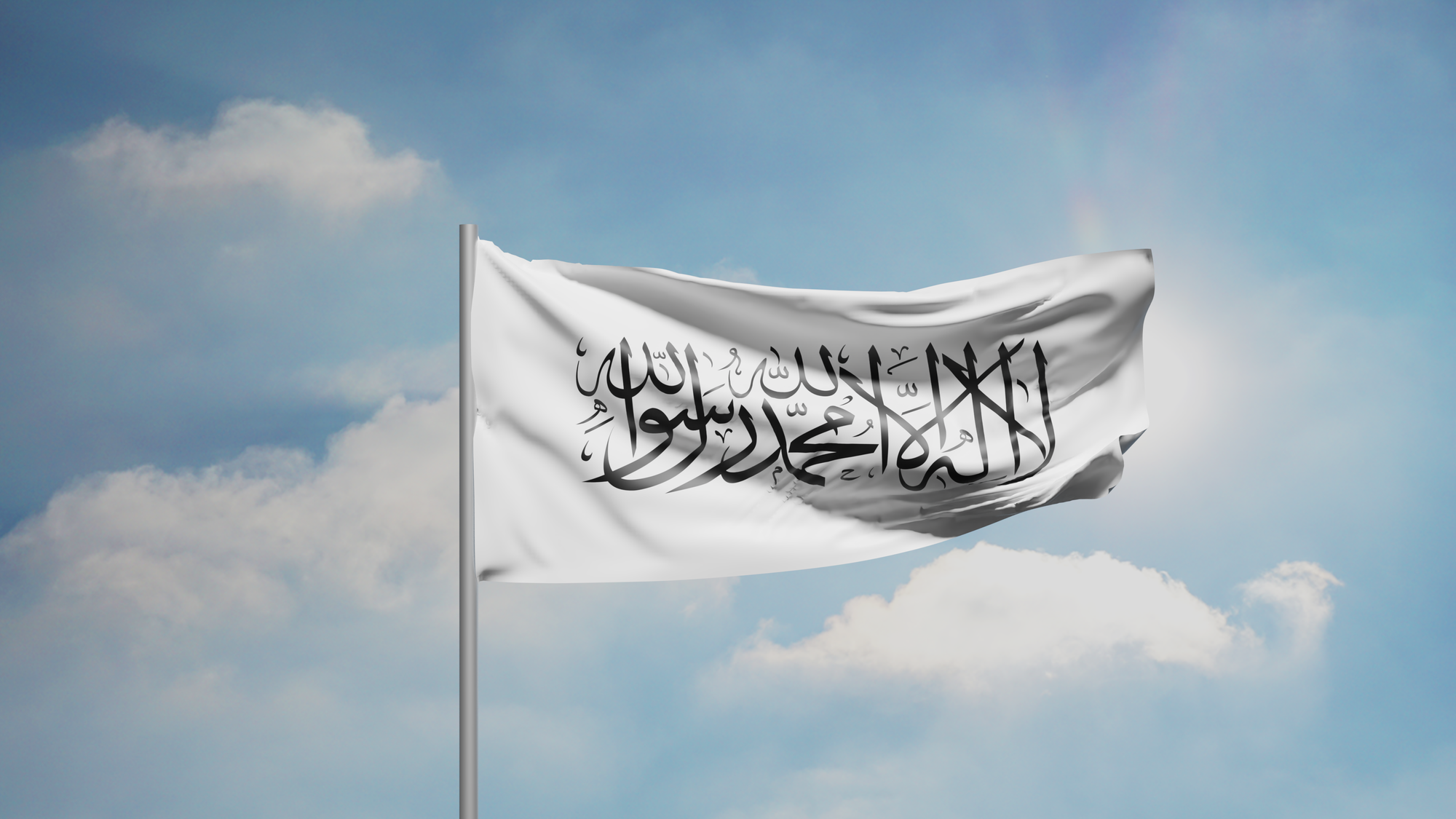
Ever since the US withdrawal from Afghanistan in 2021 and the Taliban's seizure of power, the political situation has been precarious: should Germany recognise the Taliban's authority, or continue to work with officials from the former regime, even when those officials lack practical power? Germany has been officially reluctant to engage with representatives of a regime it fought against for 20 years, while behind the scenes, cooperation between the two governments has been quietly growing.
Germany does not officially recognise the Islamist regime as the legitimate government of Afghanistan — and yet it needs them to ensure basic consular, visa and passport services in Berlin. That bureaucratic dissonance became concrete when the Taliban appointed Nebrasul H. as a consular official in July 2025 – with the German government's approval – and then quietly installed him as chargé d'affaires — the effective head of mission. The previous chargé d'affaires, Abdul P, is now little more than a figurehead. If official recognition were to come, it would make Germany the first EU country in which the Taliban have control of an embassy.
Merz has pursued an agreement [over] deportation flights – the acceptance of Taliban diplomats are understood to be part of the price.
Concerns have been raised about what a Taliban-controlled embassy could mean for Afghan refugees in Berlin. There are approximately 442,000 Afghan citizens currently residing in Germany – making them represent the largest group of asylum seekers in the country after Syrians. The files held at the embassy contain passport copies, photographs, addresses, telephone numbers, and information about the parents, siblings, and spouses of people who may have fled the country or been critical of the regime. Fears have been raised that this could have negative consequences both for people here and for their families in Afghanistan, with some already reporting trepidation about renewing their passports or attempting travel – effectively living in limbo.
Behind the scenes, however, there appears to be increasing cooperation between the two nations in ways that are both symbolic and practical. The Taliban have asked for the name of their country to appear no longer as the Islamic Republic of Afghanistan, but instead as the Islamic Emirate of Afghanistan — signalling a commitment to sharia law and a rejection of democratic governance — and have requested permission to fly their own white national flag in place of the black, red and green one of the former republic.
More significantly, Germany has been making deals with the regime over deportations. CDU Chancellor Friedrich Merz has pursued an agreement with Kabul to facilitate regular deportation flights, and the acceptance of Taliban diplomats are understood to be part of the price.